
The coalition to address harm
The coalition to address harm
Why the coalition exists
The coalition was formed around a shared desire: that every publicly funded body should be required to embed repair when it causes harm. Not investigation after the fact, and not something the person affected has to fight for, but acknowledgement, accountability and a genuine attempt to put things right, built into how organisations are expected to respond.
Our white paper, From harm to healing, sets out the case for it.
Who gets to say
it’s resolved?
An organisation may have the authority to close a complaint. But does that give it the authority to declare the harm resolved?
The coalition is the community of people who think the answer matters: people who have made complaints, campaigners, practitioners, public figures and organisations who agree that closing a complaint is not the same as resolving the harm, and who are willing to say so.
Following publication of the white paper, we are now building the community, and the test, that turns a shared belief into something organisations have to answer for.
What are we building together?
Through who gets to say it’s resolved, we are developing the people’s test for resolution: a free, public framework for judging whether a complaint has been meaningfully resolved rather than merely closed.
The test is built with people who have been through a complaints process, not written for them. It asks whether the harm was acknowledged, whether responsibility was addressed rather than avoided through procedure, whether repair was considered, and whether the organisation tested its own definition of resolution against the experience of the person affected.
The people’s resolution challenge
Once the test exists, we will put it to organisations publicly. We will invite them to answer three questions:
How do you know a complaint has been meaningfully resolved, rather than merely closed?
What role does the person affected have in defining resolution?
What will you change after applying the test to your current approach?
Their responses will be published. Organisations are not asked to agree with every conclusion. The challenge is to engage openly and explain where they stand.
Why the coalition exists
The coalition was formed around a shared desire: that every publicly funded body should be required to embed repair when it causes harm. Not investigation after the fact, and not something the person affected has to fight for, but acknowledgement, accountability and a genuine attempt to put things right, built into how organisations are expected to respond.
Our white paper, From harm to healing, sets out the case for it.
Who gets to say it’s resolved?
An organisation may have the authority to close a complaint. But does that give it the authority to declare the harm resolved?
The coalition is the community of people who think the answer matters: people who have made complaints, campaigners, practitioners, public figures and organisations who agree that closing a complaint is not the same as resolving the harm, and who are willing to say so.
Following publication of the white paper, we are now building the community, and the test, that turns a shared belief into something organisations have to answer for.
What are we building together?
Through who gets to say it’s resolved, we are developing the people’s test for resolution: a free, public framework for judging whether a complaint has been meaningfully resolved rather than merely closed.
The test is built with people who have been through a complaints process, not written for them. It asks whether the harm was acknowledged, whether responsibility was addressed rather than avoided through procedure, whether repair was considered, and whether the organisation tested its own definition of resolution against the experience of the person affected.
The people’s resolution challenge
Once the test exists, we will put it to organisations publicly. We will invite them to answer three questions:
How do you know a complaint has been meaningfully resolved, rather than merely closed?
What role does the person affected have in defining resolution?
What will you change after applying the test to your current approach?
Their responses will be published. Organisations are not asked to agree with every conclusion. The challenge is to engage openly and explain where they stand.
Coalition members & biographies
Coalition members &
biographies
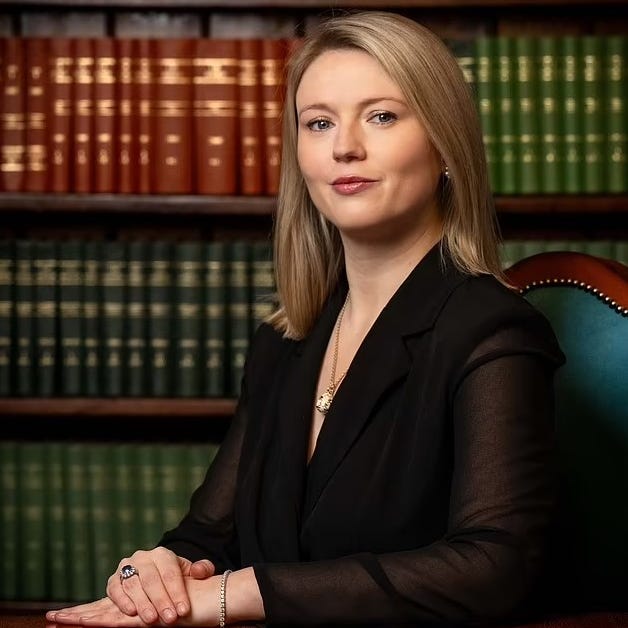
Dr Charlotte Proudman, Founder, Right to Equality
Charlotte is an award-winning barrister with extensive practice in complex trials and appellate cases. Ranked as Legal 500's Leading Junior, she handles high-value matrimonial finance, children's cases, and complex male violence against women matters.
Winner of 'Advocate of the Year' 2023 and highly commended 2024. As Cambridge Research Associate, she researches gender inequality, domestic abuse, and FGM. Author of 'FGM: When Culture and Law Clash' with doctorate from King's College, Cambridge.
Charlotte drafted key legislation raising marriage age to 18, criminalising child marriage, and introducing FGM Protection Orders. Legal advisor to Our Streets Now and Plan UK.
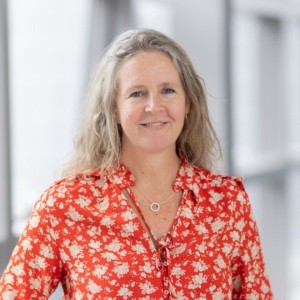
Sara Dowling, CEO, Why Me?
Sara brings over 30 years of charity sector experience to her role as CEO of Why Me?, focusing on strategic direction and organisational development. With expertise in charity leadership and income generation, she ensures long-term sustainability whilst overseeing growth in restorative justice.
Previously Deputy CEO at RoadPeace, supporting road crash victims, Sara gained invaluable insight into Criminal Justice System failings, particularly victim support and healing needs.
This experience deepened her passion for restorative justice's transformative potential, driving her commitment to
Why Me?'s mission of promoting restorative justice as a powerful tool for healing and societal change.
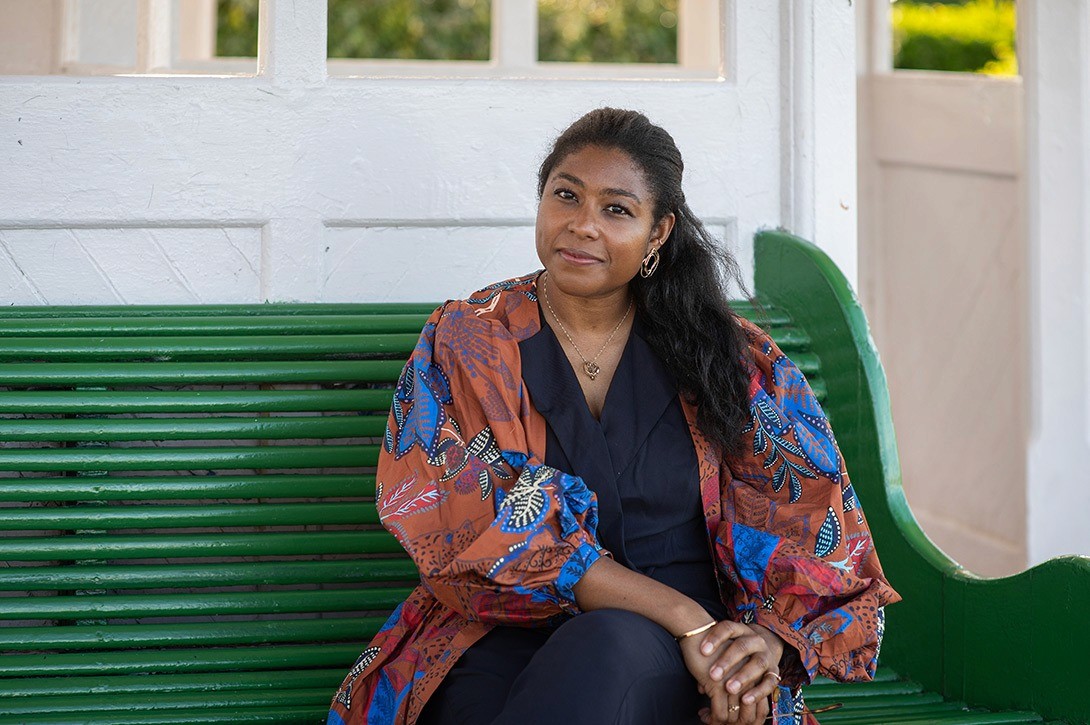
Leah Brown FRSA, Founder of The WayFinders Group
Leah is founder and CEO of The WayFinders Group, a qualified solicitor, accredited mediator, and architect of the Coalition for Institutional Accountability.
She compiled and published the groundbreaking white paper "From harm to healing: rebuilding trust in Britain’s publicly funded institutions" in June 2025, documenting how institutional self-protection costs billions of taxpayer money annually and calling for restorative approaches.
Drawing on legal experience at Simpson Thacher and Freshfields, Leah founded The WayFinders Group in 2022 to promote organisational repair. She hosts The Longest Day Podcast, AddressTheHarm®️podcast, and is an agented writer represented by Watson, Little.
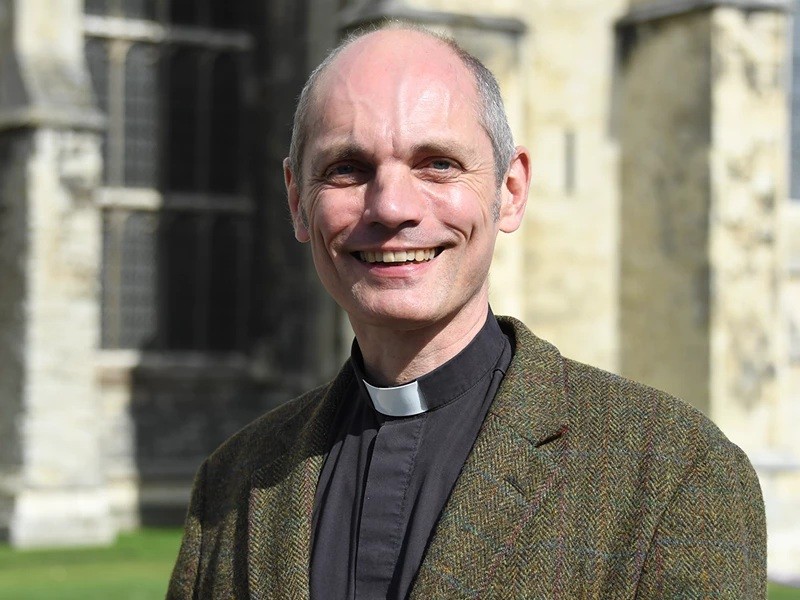
The Reverend Andrew Dodd, Canterbury Cathedral
Andrew combines residentiary Canon duties with resource stewardship and Cathedral fabric protection. His role encompasses overseeing buildings projects across Canterbury Cathedral estate and leading Net Zero Carbon environmental sustainability initiatives.
Previously Team Rector and Area Dean of North East Lincolnshire for nine years, he established Grimsby Minster as a civic centre and arts hub. Originally trained as Civil Engineer with Surrey County Council, Andrew later trained at Westcott House, Cambridge, ordained in Southwark Diocese in 2000.
His theological specialisms include practical/pastoral and contextual theology, alongside experience in social entrepreneurship and public administration.

Dr Sam Fowles
Sam is a public lawyer specialising in constitutional, administrative, information, and planning/environmental law, inquests, and public inquiries.
He has appeared in leading cases including Miller/Cherry v The Prime Minister, Hamilton v Post Office, and The Liberal Democrat Party/Scottish National Party v ITV, at every tribunal level including the Supreme Court. Member of Cornerstone Barristers, Senior Visiting Fellow at Centre for British Democracy (King's College London), and Director of the Institute for Constitutional and Democratic Research.
His practice focuses on ground-breaking constitutional and administrative law matters, representing clients in high-profile public law cases across multiple jurisdictions.
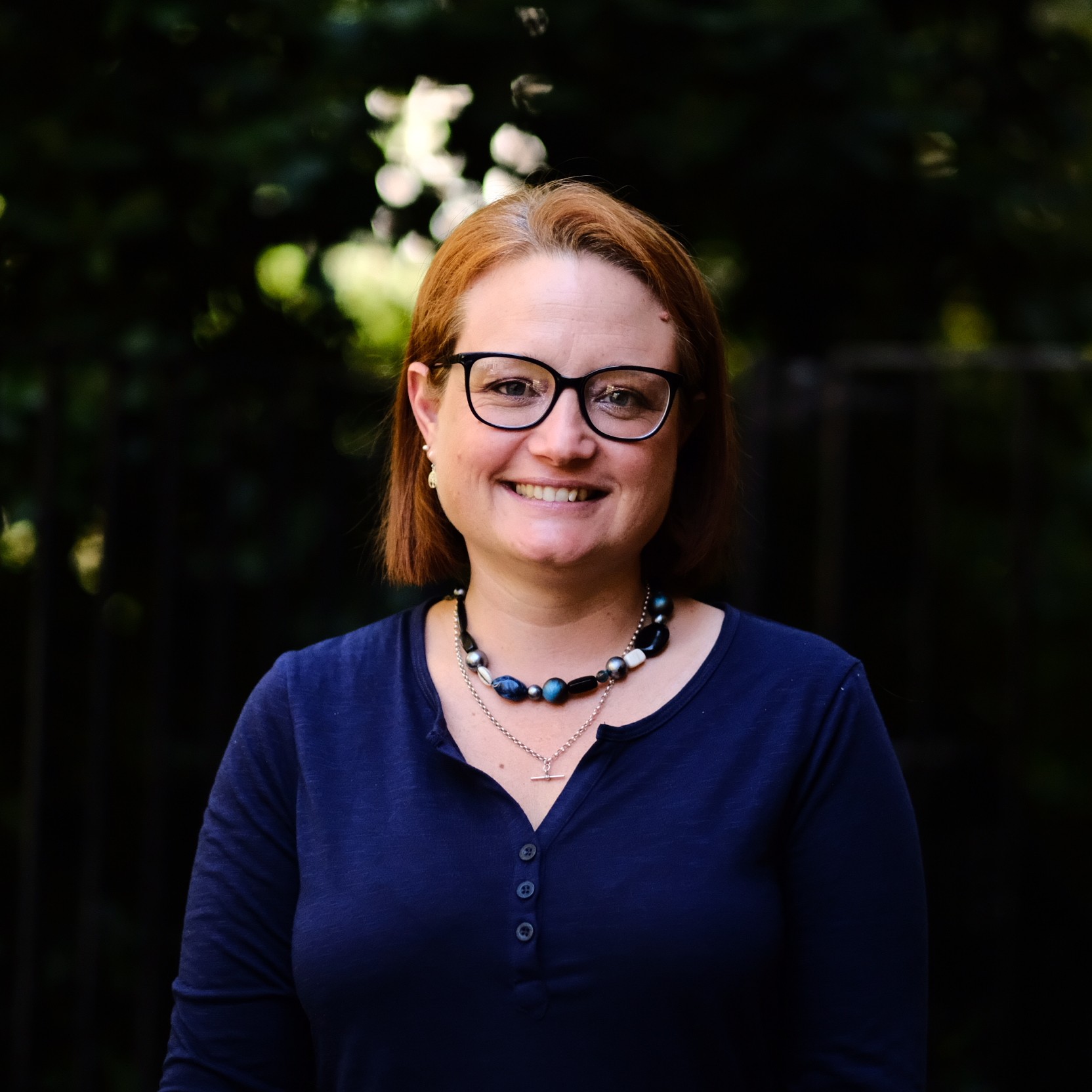
Shelley Ruck
Shelley is an accredited mediator and director of The WayFinders Group with over 15 years' charity sector experience across Asia, Africa, Europe, and Latin America.
Her expertise spans change management, digital transformation, restructuring, leadership development, governance, and compliance. Determined and pragmatic, Shelley's passion for justice drives her work.
Her humanitarian aid experience includes living in DRC and South Sudan, building team capacity and training organisational systems. Growing up in South Africa and working internationally for 22 years has taught her to listen carefully to spoken and unspoken communication, making her a keen observer and problem solver.
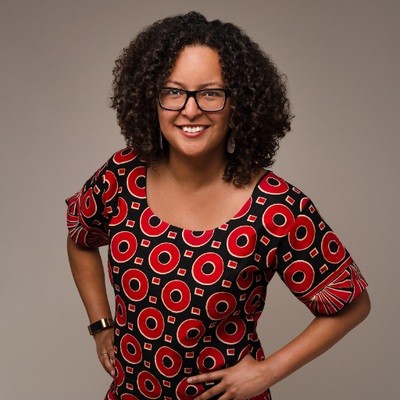
Mandu Reid
Mandu is a strategist, funding specialist, facilitator, and movement-builder working at the intersection of politics, sport, public health, and social impact. Former Leader of the UK Women's Equality Party and first person of colour to lead a national political party in British history.
She helped deliver London 2012 Games and oversaw the Mayor's £60+ million Sports Legacy Programme, evolving it into "Sport Unites" strategy.
Her diverse experience spans Olympic-scale programmes to political campaigns, focusing on making change happen for those left out or behind. Mandu specialises in strategic thinking, creative problem-solving, connecting resources and people, and unlocking potential.
Abimbola Johnson
Abimbola Johnson is an award-winning human rights barrister who practises from Doughty Street Chambers. Abimbola is also a legal commentator and writer.
Abimbola sits on a number of boards and advisory panels: She is Chair of the police Independent Scrutiny and Oversight Board, legal trustee for The Advocacy Academy, editorial board member for the Criminal Law Review, management committee member of the Black Barristers’ Network, and a member of the advisory board for The Howard League’s project “Making Sure Black Lives Matter in the Courtroom”. She graduated from the St Peter’s College, University of Oxford with a degree in Law (Jurisprudence) in 2009.
Dr Charlotte Proudman, Founder, Right to Equality
Charlotte is an award-winning barrister with extensive practice in complex trials and appellate cases. Ranked as Legal 500's Leading Junior, she handles high-value matrimonial finance, children's cases, and complex male violence against women matters.
Winner of 'Advocate of the Year' 2023 and highly commended 2024. As Cambridge Research Associate, she researches gender inequality, domestic abuse, and FGM. Author of 'FGM: When Culture and Law Clash' with doctorate from King's College, Cambridge.
Charlotte drafted key legislation raising marriage age to 18, criminalising child marriage, and introducing FGM Protection Orders. Legal advisor to Our Streets Now and Plan UK.
Sara Dowling, CEO, Why Me?
Sara brings over 30 years of charity sector experience to her role as CEO of Why Me?, focusing on strategic direction and organisational development. With expertise in charity leadership and income generation, she ensures long-term sustainability whilst overseeing growth in restorative justice.
Previously Deputy CEO at RoadPeace, supporting road crash victims, Sara gained invaluable insight into Criminal Justice System failings, particularly victim support and healing needs.
This experience deepened her passion for restorative justice's transformative potential, driving her commitment to
Why Me?'s mission of promoting restorative justice as a powerful tool for healing and societal change.
Leah Brown FRSA, Founder of The WayFinders Group
Leah is founder and CEO of The WayFinders Group, a qualified solicitor, accredited mediator, and architect of the Coalition for Institutional Accountability.
She compiled and published the groundbreaking white paper "From harm to healing: rebuilding trust in Britain’s publicly funded institutions" in June 2025, documenting how institutional self-protection costs billions of taxpayer money annually and calling for restorative approaches.
Drawing on legal experience at Simpson Thacher and Freshfields, Leah founded The WayFinders Group in 2022 to promote organisational repair. She hosts The Longest Day Podcast, AddressTheHarm®️podcast, and is an agented writer represented by Watson, Little.
The Reverend Andrew Dodd, Canterbury Cathedral
Andrew combines residentiary Canon duties with resource stewardship and Cathedral fabric protection. His role encompasses overseeing buildings projects across Canterbury Cathedral estate and leading Net Zero Carbon environmental sustainability initiatives.
Previously Team Rector and Area Dean of North East Lincolnshire for nine years, he established Grimsby Minster as a civic centre and arts hub. Originally trained as Civil Engineer with Surrey County Council, Andrew later trained at Westcott House, Cambridge, ordained in Southwark Diocese in 2000.
His theological specialisms include practical/pastoral and contextual theology, alongside experience in social entrepreneurship and public administration.
Dr Sam Fowles
Sam is a public lawyer specialising in constitutional, administrative, information, and planning/environmental law, inquests, and public inquiries.
He has appeared in leading cases including Miller/Cherry v The Prime Minister, Hamilton v Post Office, and The Liberal Democrat Party/Scottish National Party v ITV, at every tribunal level including the Supreme Court. Member of Cornerstone Barristers, Senior Visiting Fellow at Centre for British Democracy (King's College London), and Director of the Institute for Constitutional and Democratic Research.
His practice focuses on ground-breaking constitutional and administrative law matters, representing clients in high-profile public law cases across multiple jurisdictions.
Shelley Ruck - Coalition Lead
Shelley is an accredited mediator and director of The WayFinders Group with over 15 years' charity sector experience across Asia, Africa, Europe, and Latin America.
Her expertise spans change management, digital transformation, restructuring, leadership development, governance, and compliance. Determined and pragmatic, Shelley's passion for justice drives her work.
Her humanitarian aid experience includes living in DRC and South Sudan, building team capacity and training organisational systems. Growing up in South Africa and working internationally for 22 years has taught her to listen carefully to spoken and unspoken communication, making her a keen observer and problem solver.
Mandu Reid
Mandu is a strategist, funding specialist, facilitator, and movement-builder working at the intersection of politics, sport, public health, and social impact. Former Leader of the UK Women's Equality Party and first person of colour to lead a national political party in British history.
She helped deliver London 2012 Games and oversaw the Mayor's £60+ million Sports Legacy Programme, evolving it into "Sport Unites" strategy.
Her diverse experience spans Olympic-scale programmes to political campaigns, focusing on making change happen for those left out or behind. Mandu specialises in strategic thinking, creative problem-solving, connecting resources and people, and unlocking potential.
Abimbola Johnson
Abimbola Johnson is an award-winning human rights barrister who practises from Doughty Street Chambers. Abimbola is also a legal commentator and writer.
Abimbola sits on a number of boards and advisory panels: She is Chair of the police Independent Scrutiny and Oversight Board, legal trustee for The Advocacy Academy, editorial board member for the Criminal Law Review, management committee member of the Black Barristers’ Network, and a member of the advisory board for The Howard League’s project “Making Sure Black Lives Matter in the Courtroom”. She graduated from the St Peter’s College, University of Oxford with a degree in Law (Jurisprudence) in 2009.
Become an ambassador
We are relaunching our podcast.
Our podcast brings together public figures, practitioners and people who have made a complaint to talk about what happens after something goes wrong.
If you have a voice and a platform, and want to use them to make repair impossible to ignore, we would like to hear from you.
Sponsor our work
Address the harm® is proud to be supported by MATH.
Sponsorship helps fund our public-benefit work, including our public voice and research and influence programmes. If your organisation would like to sponsor our work, get in touch.
Email sammy@addresstheharm.org for more information.
Work with us
We are now working with organisations across sectors. For more details please see our Services page.
© 2026 Address the Harm®️(CIO) (pending)
© 2026 Address the Harm®️(CIO) (pending)